In short: WA needs people who can repair, drive and work safely
Western Australia is worth assessing if you are an automotive mechanic, diesel mechanic, heavy vehicle repair worker, engineering machinery technician, truck driver or heavy vehicle driver.
WA’s resources sector, long-distance logistics, regional towns, construction projects, agriculture and port operations all depend on two types of workers: people who can maintain and repair vehicles or equipment, and people who can operate heavy vehicles safely and consistently.
For offshore applicants, the key is genuine experience. What vehicles have you repaired? What equipment have you worked on? What classes of vehicles have you driven? Can you provide employment evidence, pay records, references, licences and role descriptions? Are you open to regional locations or employer-specific job settings?
Noice International helps applicants break down this experience clearly: whether your background fits automotive repair, diesel mechanics, heavy vehicle repair, engineering machinery, truck driving or heavy vehicle operation; whether skills assessment, employer matching, licensing or evidence preparation should come first; and whether your pathway may connect to 482/SID, 186, DAMA or regional employer opportunities.
Mechanics, diesel technicians and heavy vehicle repair workers are especially worth watching
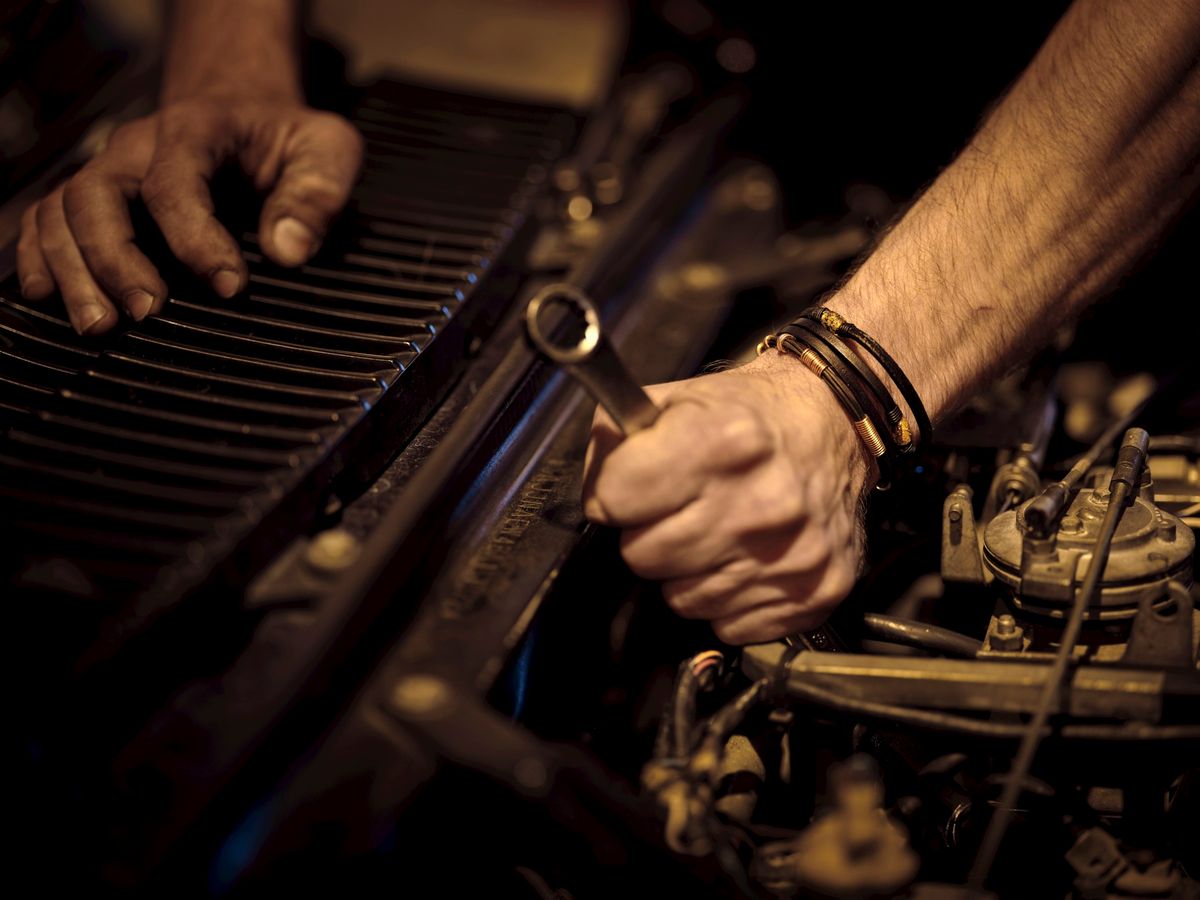
WA has large numbers of vehicles, fleets and heavy equipment. The long-term demand is for people who can maintain, diagnose, repair and troubleshoot.
WA Government’s motor mechanic information notes that vehicles across Perth, regional WA and the outback face varied weather, sealed and unsealed roads, wildlife and long-distance travel. Repair work can therefore extend beyond basic passenger-car servicing into commercial vehicles, heavy vehicles, engineering machinery, mining-related vehicles and fleet maintenance.
If you have experience with engines, transmissions, steering, braking systems, electrical diagnosis, diesel systems, hydraulics, heavy trucks, engineering machinery or large equipment, that experience can be valuable to Australian employers.
A 2026 Mader Group recruitment sample for Heavy Diesel Mechanics in the Pilbara refers to equipment such as excavators, graders, loaders, drills and brands such as CAT, Terex and LeTourneau. This is a recruitment sample rather than official labour statistics, but it shows a clear market signal: WA resources and transport-related industries need people who can repair heavy diesel equipment and large vehicles.
Mechanic applicants can often build a strong evidence pathway: role duties, repair projects, tools and equipment, references, certificates, photos, pay records, skills assessment and employer role matching can all connect together.
Truck and heavy vehicle driving opportunities go beyond mine sites
Truck driving in WA is not one narrow role. WA Government’s Build a life in WA page shows that truck drivers may support mining, earthmoving, agriculture and logistics, including general freight, construction materials, equipment, bulk products, liquids, agricultural products and resources transport to rail heads or ports.
Driving roles may sit across:
- urban logistics and warehousing;
- construction, earthmoving and infrastructure projects;
- agriculture and regional supply chains;
- ports, rail and resources transport;
- mining vehicles, engineering vehicles and heavy equipment movement.
Mining driver roles can be attractive. Resource-sector roles may offer stronger pay, stable job settings and valuable local work history. But they also involve remote locations, stricter safety standards and more concentrated work patterns. In many cases, workers exchange some location flexibility and personal freedom for better income and career accumulation.
Not every driver pathway needs to be a typical mine-site roster. Many opportunities may come from regional transport, employer fleets, construction and earthmoving companies, agricultural logistics, regional employers or service providers supporting resource projects. The right option depends on licence class, driving history, employer role, English, safety record and visa strategy.
Overseas heavy vehicle licences: not a simple swap, but not a zero-start either
Many driving applicants worry that their overseas heavy vehicle experience will not count in Australia, or that they must restart like a new learner driver.
In Western Australia, the answer is more practical than that. Transport WA has official pathways for overseas licence transfer and heavy vehicle class applications. For overseas truck or heavy vehicle licences, the process is usually not a simple automatic swap. Applicants may need to apply for the relevant vehicle class and complete the required theory or practical assessment.
The important point is that an experienced driver is not the same as a person with no driving background. For someone who has genuinely operated heavy vehicles, understands road safety and can prepare under Australian road rules, the assessment is often about validating overseas experience under local requirements.
Based on the information and practical experience we have seen, an overseas heavy vehicle licence can allow an applicant to avoid the local waiting period that a new Australian driver would normally face when gradually upgrading from a car licence, provided the documents, licence class and testing arrangements fit the state requirements. In suitable cases, applicants can progress ordinary and heavy vehicle licence outcomes together. It is not an unconditional automatic swap, because tests and document checks may still apply, but it should not be treated as a zero-start pathway for a genuinely experienced heavy vehicle driver.
This is why driving applicants should prepare licence evidence early:
- original overseas licence and validity;
- whether the licence class aligns with Australian LR, MR, HR, HC or MC categories;
- whether translation, verification or supporting documents are needed;
- evidence of genuine heavy vehicle driving history;
- whether the employer requires car, HR, HC or MC class capability;
- whether theory tests, Heavy Vehicle Theory Test or Practical Driving Assessment are required.
Victoria also has an overseas licence conversion pathway. VicRoads states that people living in Victoria for six months or more generally need to convert an overseas licence or permit to a Victorian licence, with requirements depending on issuing country or region, how long the licence has been held, age and licence type. Rules vary by state, but genuine experience and complete documents can materially affect the pathway.
Noice assesses licensing as a separate part of the case, rather than treating it as a simple yes-or-no issue. If you are already an experienced driver, licensing should be planned properly, not treated as a reason to abandon the pathway.
For mechanics, what matters most is provable repair ability
Mechanic applicants should not present themselves only as “I can repair cars”. The stronger approach is to explain what you have repaired, how independently you worked and what equipment or systems you handled.
WA Government’s motor mechanic information lists duties such as:
- repairing and replacing defective vehicle parts;
- engine tune-ups, oil changes and scheduled servicing;
- repairing engines, steering systems and transmissions;
- diagnosing engine faults;
- testing and repairing vehicle electrical lighting systems.
If you have worked on diesel vehicles, heavy trucks, commercial fleets, mining equipment, engineering machinery, hydraulic systems, electrical diagnosis or large equipment maintenance, those details should be reflected in the evidence.
Mechanic applicants should also check whether skills assessment, licensing or certificate recognition applies to their exact visa and occupation pathway. TRA updated parts of its automotive trade assessment arrangements in 2023. For example, qualified applicants for occupations such as Diesel Motor Mechanic and Motor Mechanic who hold Chinese mainland passports are no longer mandatorily required to use the OSAP technical assessment pathway, and may be able to use an MSA-style documentary pathway where applicable. In some employer-sponsored scenarios, Chinese mainland passport holders may also not need a separate skills assessment at all.
The key is therefore not to assume that every offshore mechanic must complete TRA before anything else. The right question is whether your visa type, occupation code, passport country, qualifications and target role require TRA, MSA, OTSR or local licensing/certificate steps. Noice helps applicants organise repair experience into a structure Australian employers can understand: role, equipment, duties, skills, evidence, pathway requirements and employer matching direction.
Income depends on role fit, not just headlines
General motor mechanic and diesel or heavy diesel mechanic roles should not be treated as the same income category. WA Government pages cite Australian Bureau of Statistics Employee Earnings data showing estimated annual earnings of AUD 84,141 for truck drivers and AUD 66,014 for motor mechanics, which is better understood as a broad baseline for ordinary mechanic or general market earnings.
Diesel technicians, heavy vehicle repair workers, mining equipment mechanics and regional employer roles can sit in a different range. As a market reference, SEEK’s Diesel Technician salary page shows an average salary range of around AUD 100,000–105,000 in Australia; Jora/SEEK-based Heavy Diesel Mechanic data shows an average of around AUD 102,500; and WA Pilbara, Karratha and Port Hedland job samples commonly show hourly rates around AUD 70–95 or higher annual packages. Actual income depends on employer, location, roster, allowances, seniority, equipment exposure and urgent demand.
For offshore applicants, the better question is not only “how much can I earn”, but which profile you fit:
- automotive mechanic with potential to move toward diesel, heavy vehicle or fleet roles;
- diesel mechanic with evidence to support assessment and employer needs;
- heavy vehicle repair worker suitable for transport, mining, construction or regional employers;
- truck or heavy vehicle driver with clear licence class and real driving history;
- hybrid profile with driving, repair, fleet maintenance or equipment management experience.
The strongest applicant is not always the one chasing the highest salary headline. It is often the person whose experience can be understood quickly by an Australian employer and matched with visa requirements.
Who should consider an assessment now?
You should consider an initial assessment if you are:
- an automotive mechanic, diesel mechanic, heavy vehicle repair worker or engineering machinery technician;
- experienced with engines, transmissions, hydraulics, electrical diagnosis, heavy trucks or large equipment;
- able to provide employment references, pay records, tax or social insurance evidence, work photos or repair records;
- a truck driver or heavy vehicle driver with a clear licence class and real transport experience;
- open to WA, SA, regional cities, transport companies, construction or earthmoving employers, mining-related employers or agricultural logistics;
- planning occupation fit, evidence, licence conversion, employer matching and 482/SID, 186 or DAMA together.
Applicants with real experience can prepare many issues early. Mechanics can assess occupation code, whether skills assessment or local licensing steps apply, repair evidence and employer roles. Drivers can assess licence class, testing pathway, vehicle category and employer requirements. The main risk is leaving evidence and pathway planning too late.
Why employer sponsorship fits these occupations
Mechanics, diesel technicians, heavy vehicle repair workers and drivers are role-driven occupations. Employer sponsorship is also role-driven: whether an employer genuinely needs the position, whether the role is real, whether salary requirements are met, and whether the applicant has matching skills, licences and evidence.
For many trades and blue-collar occupations, building a pathway around a real employer and role can be more practical than waiting only for points-tested invitations.
Noice International helps applicants assess three layers:
- occupation fit: motor mechanic, diesel mechanic, heavy vehicle mechanic, truck driver or heavy vehicle driver;
- employer fit: workshop, fleet, mining services, construction and earthmoving company, agricultural logistics or regional employer;
- visa fit: 482/SID, 186, DAMA, or whether English, licensing, work evidence, skills assessment or certificate recognition should be prepared first.
If your target is regional WA, DAMA may be relevant: /zh/visa/dama/. For temporary employer-sponsored work, see 482/SID: /zh/visa/482/. For longer-term permanent residence planning, assess 186 employer nomination early: /zh/visa/186/.
FAQ
Can overseas truck drivers handle licensing in WA?
Yes. WA has overseas licence transfer and heavy vehicle class application pathways. Heavy vehicle licences are usually not a simple automatic swap and may require class-specific theory or practical assessments, but experienced drivers with the right documents can avoid the local beginner waiting period and do not need to restart the full local progression cycle from zero.
What value does an overseas heavy vehicle licence have?
It can be very valuable. It helps show that you are not a zero-experience driver and, where the documents and class requirements fit, can avoid local waiting periods that a new Australian driver would normally face when upgrading step by step. The testing and application process still depends on state rules, licence class, document verification and employer requirements.
Are mechanics or drivers more suitable right now?
Both can be assessed. Mechanics, diesel technicians, heavy vehicle repair workers and engineering machinery technicians can often build a clearer chain between repair evidence, employer roles and visa pathways. Driving applicants with heavy vehicle, long-distance, mine-related, earthmoving, agricultural logistics or fleet experience can also have practical opportunities.
Are mining driver roles always better?
Not necessarily. Mining-related roles may be attractive, but they come with location, safety, roster and experience requirements. Many opportunities may also come from regional transport, construction and earthmoving, agricultural logistics, employer fleets or resource-sector service providers.
Do overseas mechanics need TRA?
Not always. Whether TRA, MSA, OTSR or local licensing/certificate recognition is needed depends on visa type, passport country, occupation code, qualifications and target role. For example, some Chinese mainland passport holders in selected automotive trades are no longer required to use the OSAP technical assessment pathway, and in some employer-sponsored cases a separate skills assessment may not be required. It should be assessed case by case, not assumed.
What should I prepare first?
Prepare employment history, certificates, licences, pay records, tax or social insurance evidence, references, repair project records, work photos and an English CV. Mechanics should assess occupation code, work evidence and whether assessment or licensing steps apply; drivers should assess licence class, conversion or testing pathway and target vehicle category.
How Noice International can help
Noice International helps offshore skilled workers and tradespeople plan Australian employer-sponsored migration pathways. We focus on mechanics, diesel mechanics, heavy vehicle repair, driving, construction, care, hospitality, mining-related and regional employer roles.
For mechanics and drivers, we can help assess occupation fit, whether skills assessment or licensing steps apply, licence conversion or heavy vehicle class planning, work evidence, English CV, employer matching, 482/SID, 186 employer sponsorship and DAMA options.
Our team has MARA-qualified / Australian registered migration agent capability and can assess your documents, occupation pathway and timing from a compliance perspective. If you are a mechanic, diesel technician, heavy vehicle repair worker, engineering machinery technician or truck driver considering WA, SA or regional employer sponsorship, contact Noice International for a free initial assessment and find out which Australian pathway best fits your background.