Expanded Occupation List: Covering More Key Industries
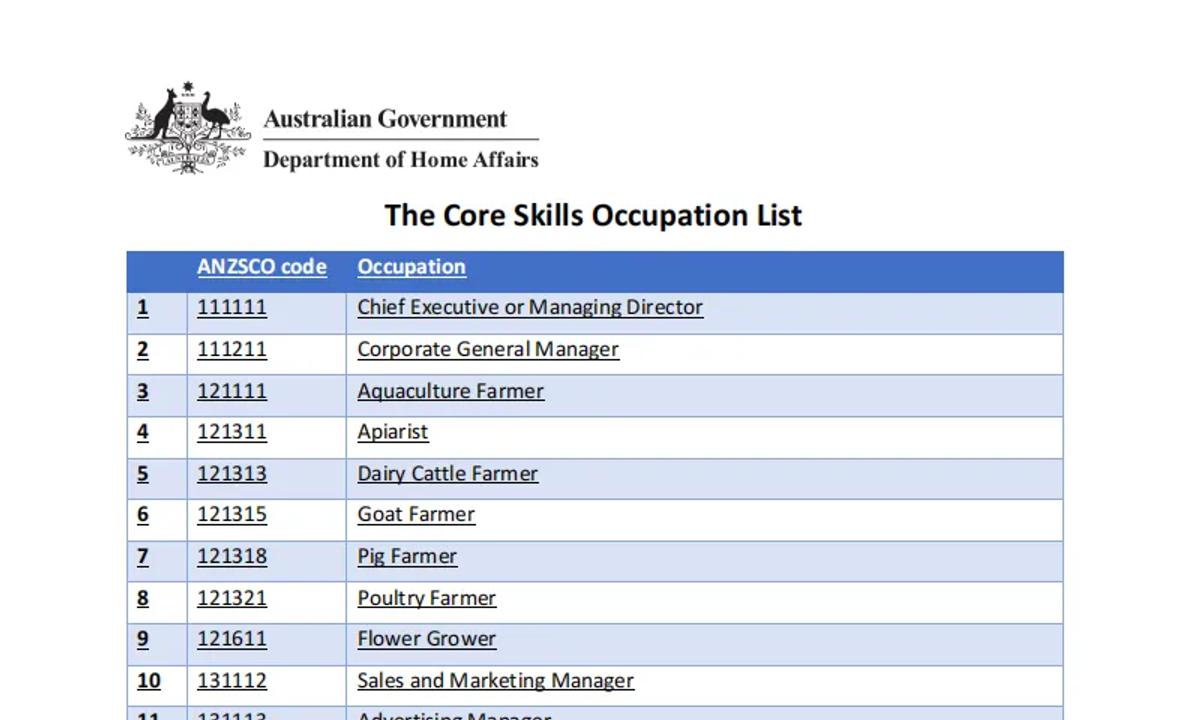
The new Core Skills Occupation List (CSOL) integrates the previous Short-term Skilled Occupation List (STSOL) and Medium and Long-term Strategic Skills List (MLTSSL), adding over 200 new occupations.
CSOL 456 Occupation Distribution
Managers: 47 positions
Covering senior management and specialist management, meeting enterprise operations and strategic planning needs.
Professionals: 235 positions
Including high-skilled professionals across engineering, healthcare, education, IT, and more — the largest category in the CSOL.
Technicians and Trades Workers: 141 positions
Covering engineering technology, construction, maintenance, and other mid-to-high-level technical roles.
Community and Personal Service Workers: 23 positions
Primarily healthcare and social work occupations.
Clerical and Administrative Workers: 8 positions
Including office management and administrative support roles.
Sales Workers: 2 positions
Covering sales representatives and support staff.
Machinery Operators and Drivers, and Labourers: 0 positions
These categories are not included, suggesting the government may place such positions in the Essential Skills Stream with a separate list. Currently, these roles are managed through Labour Agreement Streams, primarily various DAMA agreements.
Note: The CSOL currently uses ANZSCO codes, which were replaced by OSCA codes on December 6, 2024. The CSOL may be updated to OSCA codes in the future.
Relaxed Work Experience Requirements
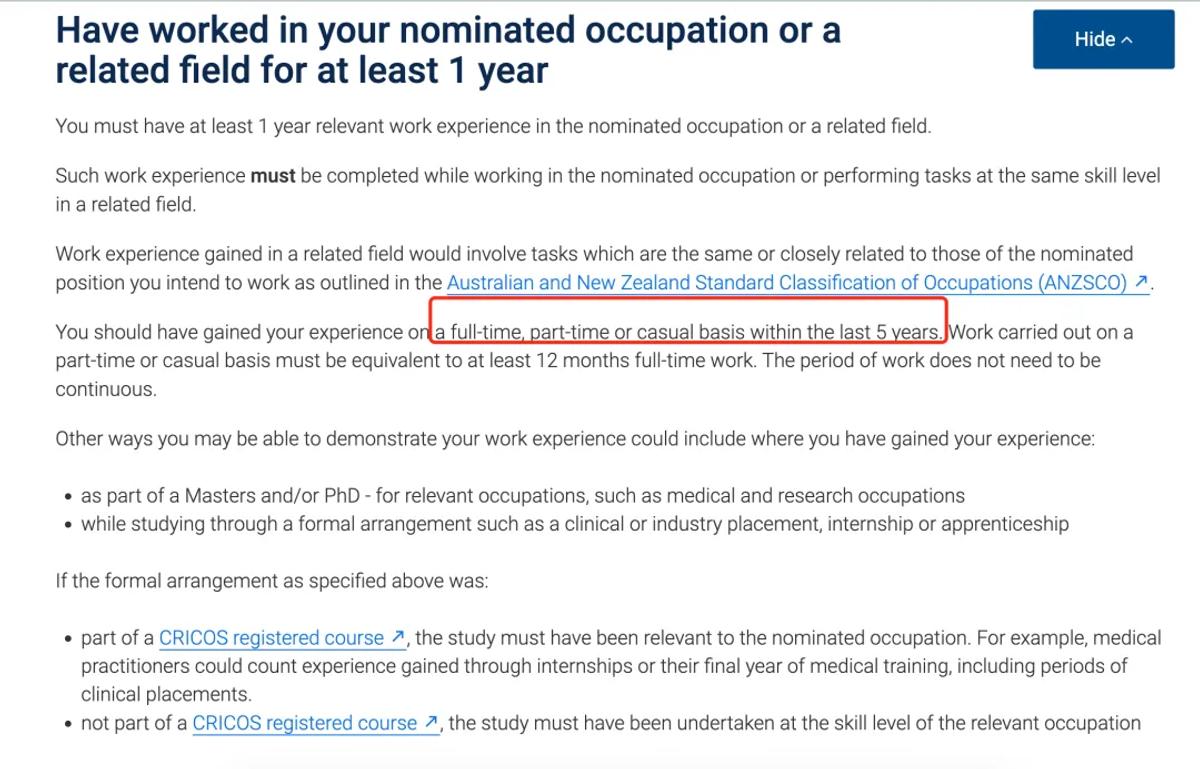
Work experience requirement reduced from 2 years to 1 year. The previous TSS 482 visa required at least 2 years of work experience, while the new SID visa reduces this to 1 year, opening opportunities for younger professionals and recent graduates.
Part-time, casual, and even internship experience are now accepted. The SID visa allows part-time and casual work experience to be counted, and some occupational internship experience during studies can also be included. This adjustment enables more applicants with relevant but non-full-time experience to qualify.
Relaxing work experience requirements helps attract younger applicants or those with interrupted careers, particularly in skill-shortage industries.
Unified English Language Requirements
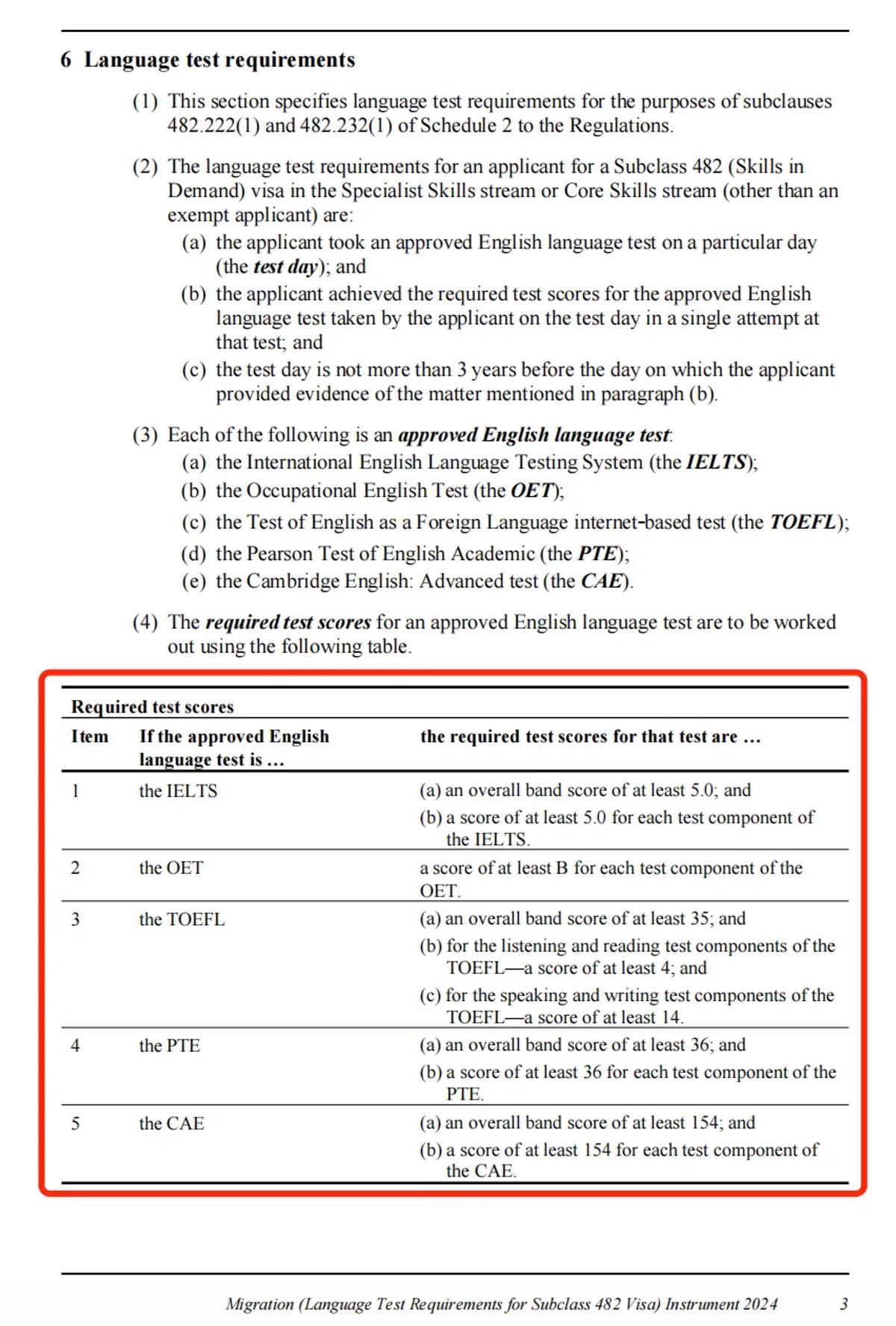
Standardized to IELTS overall 5.0, with no band below 5.0. Previously, the TSS visa had different English requirements for short-term (overall 5.0, minimum 4.5 per band) and medium/long-term lists (overall 5.0, minimum 5.0 per band). The SID visa now unifies these requirements, though the Labour Agreement stream continues to use concession provisions, with some occupations requiring only 4.5.
Higher English standards help ensure visa holders can better integrate into Australian society and the labor market.
Other SID Visa Streams
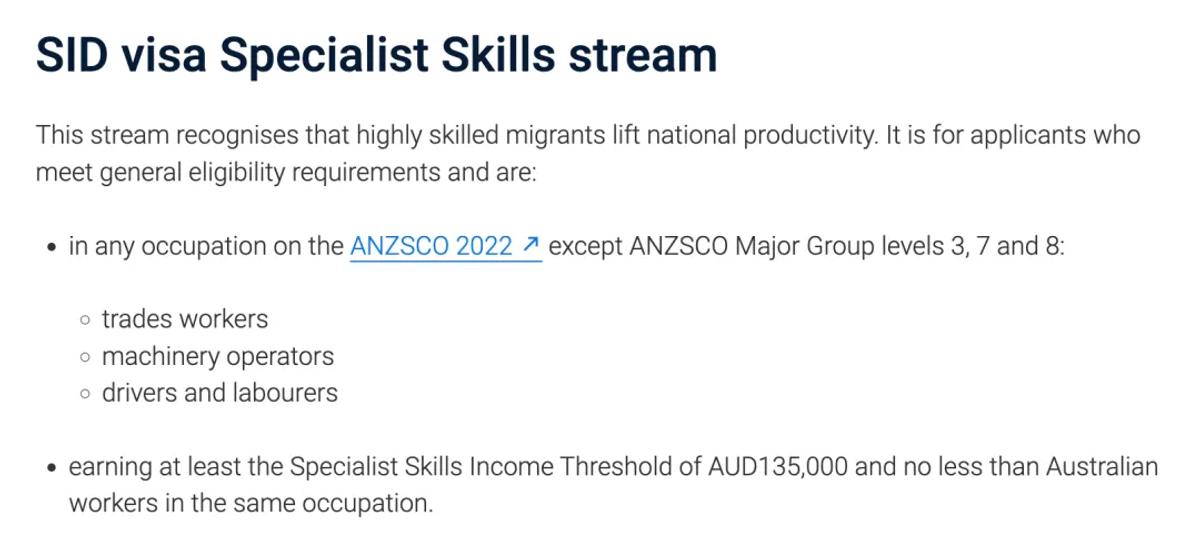
Specialist Skills Stream
This stream is not restricted by occupation lists and applies to high-income professionals earning at least AUD 135,000 annually. It aims to attract top global talent, particularly those who can contribute to technological innovation and productivity improvement.
Essential Skills Stream
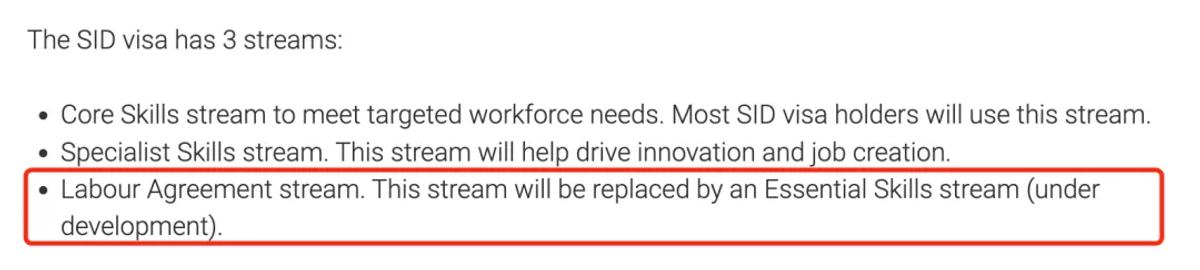
The Essential Skills Stream (formerly Labour Agreement Stream) is expected to continue addressing workforce needs in specific industries or regions. While full details are not yet available, this stream is anticipated to be more flexible and adaptable to different regional needs.
The Labour Agreement Stream, including DAMA agreements, has not changed significantly. However, following the Core Stream changes, work experience requirements may be correspondingly relaxed. Language requirements will likely balance practical industry and regional needs, potentially with some downward flexibility compared to the Core Stream. Prospective applicants should not be overly concerned but are advised to apply early to secure current policies.
Conclusion
The new SID visa policy aims to attract more high-skilled talent to work and settle in Australia through an expanded occupation list, relaxed work experience requirements, higher English standards, longer visa validity, and clear permanent residency pathways. These changes help address skill shortages while providing greater flexibility and certainty for employers and applicants.