You may have heard phrases like “He got his Australian green card” or “Is PR the same as citizenship?” But what do these terms actually mean? If you’re planning to work or settle in Australia through skilled migration, understanding these key concepts is essential.
As a specialist in Australian employer-sponsored migration, Noice International is here to break down these concepts and focus on the real pathways of the 482 work visa and 186 permanent residency visa.
1. Key Terms Explained: From Visa to Passport
Visa
A visa is an official permit allowing a foreign national to enter, stay, or work in a country.
● Short-term visas: tourism, family visits;
● Long-term work visas: such as the Australia 482 Temporary Skill Shortage visa (TSS), allowing work with a specified employer for 2–4 years;
● Permanent residency visas: such as the 186 Employer Nomination Scheme visa, which grants Australian PR status upon approval.
In short: A visa is your “entry ticket,” not an identity. The 482 is a work permit; the 186 is the key to permanent residency.
Permanent Residency / PR / Green Card
These three terms are often used interchangeably and refer to the same status:
● PR (Permanent Resident) is the official term;
● “Green card” originated from the green US permanent resident card, now used generically;
● Australian PR has no physical card but is recorded in your visa, with travel via an RRV (Resident Return Visa).
Holding Australian PR entitles you to:
● Medicare (universal healthcare);
● Children attending public schools (free in most states);
● Freedom to work, start a business, and buy property;
● Access to unemployment benefits, pensions, etc. (some with waiting periods).
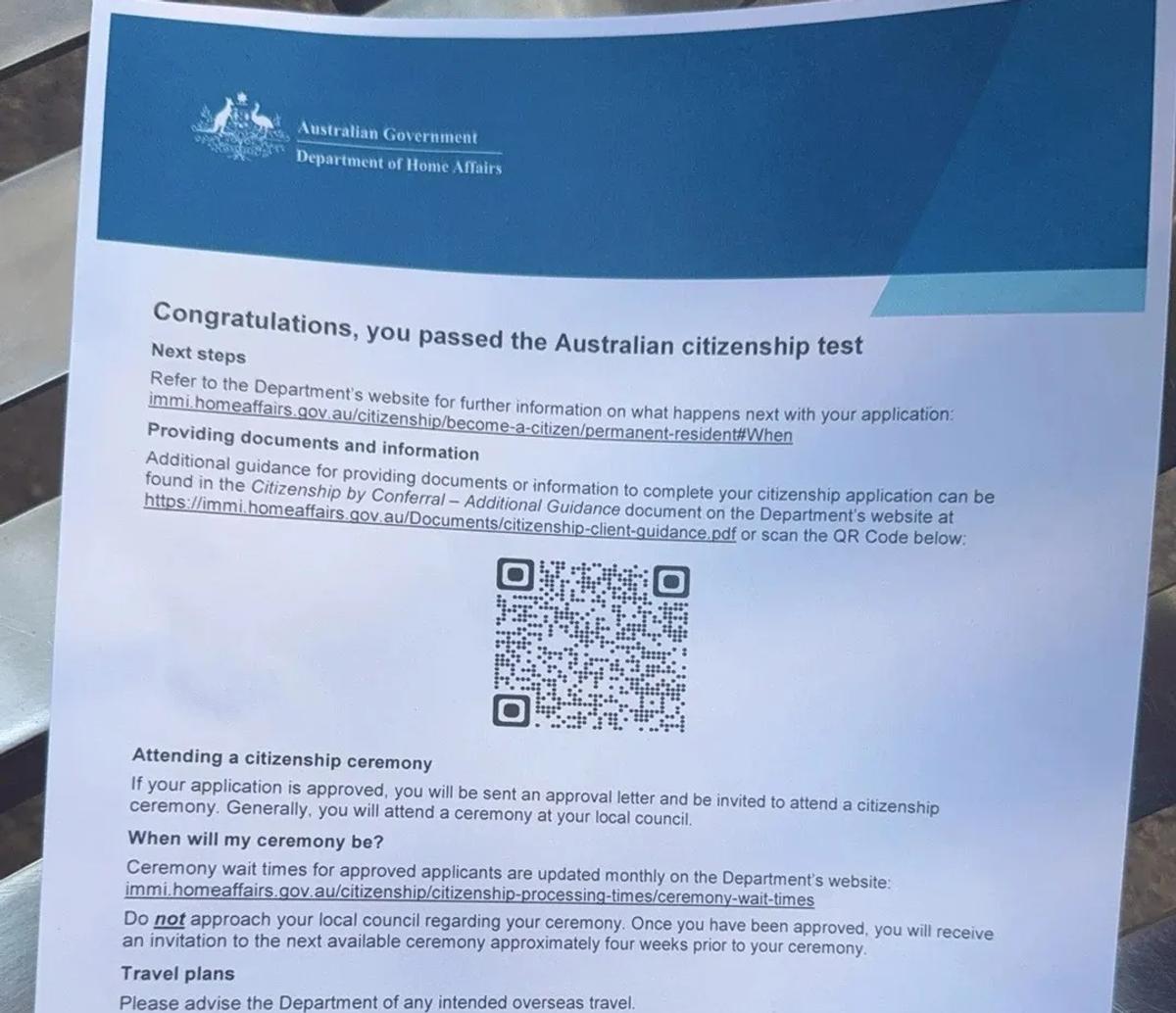
Important: PR ≠ Citizenship! You remain a citizen of your original country. You cannot vote, run for office, or hold an Australian passport, and there’s no need to renounce your Chinese hukou.
Citizenship & Passport
Once you become an Australian citizen, you can apply for an Australian passport, which means:
● Full political rights (voting, military service, public office);
● Visa-free or visa-on-arrival access to 183 countries (top 10 globally);
● Unlimited overseas travel with no risk of losing your status.
Important reminder: China does not recognise dual citizenship. Once you swear in as an Australian citizen, your Chinese citizenship is automatically revoked. You’ll need a Chinese visa to return, and your assets must be managed as a foreign national.
2. Is Australian PR Really “Permanent”? The Residency Obligation
Many people think getting PR means you’re set for life. Not quite.
The PR status itself doesn’t expire, but your travel rights depend on the RRV. To renew your RRV, you must meet residency requirements:
● First 5-year RRV: lived in Australia for at least 2 of the past 5 years;
● If you’re away for over 5 years, your PR may lapse.
Compared to other countries: Canada requires 2 out of 5 years; the US limits single departures to 183 days. Australia is relatively flexible, but you still need to plan your time.
3. Noice International’s Focus: 482 → 186, A Steady Path to PR
As a specialist with deep experience in Australian skilled migration, Noice International focuses on genuine employers, compliant processes, and full-service support. Our two core programs:
482 Temporary Work Visa (SID Visa)
● For in-demand occupations under the WA DAMA agreement (heavy truck drivers, cooks, welders, tradespeople, etc.);
● Nominated by a local Australian employer, valid for up to 4 years;
● The most viable starting point for overseas applicants and a stepping stone to 186 PR.
186 Employer-Sponsored PR Visa
● Grants Australian PR — the ultimate goal of employer-sponsored migration.
Direct Entry: If you have qualifying work experience, skills assessment, and English scores, your employer can nominate you directly for PR in one step. (Suitable for applicants on the standard occupation list, e.g. tour guides, marketing professionals, engineers.)
482 to 186 Transition: Work for the same employer on a 482 visa for 3 years, then apply for 186 PR. (DAMA positions such as truck drivers and excavator operators must use this pathway.)
Both pathways lead to the exact same Australian PR status with identical rights.
4. Common Misconceptions
Q: Is migration the same as citizenship? No! Migration includes both PR and citizenship. With PR, you keep your original nationality. Citizenship means changing your passport.
Q: Can I keep my Chinese status while holding Australian PR? Absolutely! This is the most common choice for skilled migrants — enjoy PR benefits first, delay citizenship to keep your options open.
Q: Can the 482 visa lead to PR? Yes! After 3 years on a 482 visa under WA DAMA, if your employer continues to sponsor you and you meet age (typically under 45) and English requirements, you can apply for 186 PR.
Conclusion: Migration Is About Having More Choices
Whether you start with a 482 visa to gain experience or qualify directly for the 186, what matters is: whether your occupation is on the supported list, whether you have a genuine employer willing to sponsor you, and whether you’re prepared with language, documents, and time.
Noice International makes no false promises — only professional, transparent, and sustainable migration planning. We believe true security comes from clear understanding and solid action.
Assess your Australian migration eligibility now — If you work in a skilled trade (truck driver, excavator operator, bricklayer, mechanic, etc.), contact our team of professional consultants!