Aged Care Job Responsibilities

Assistance with daily living activities: helping elderly individuals with bathing, eating, dressing, and other basic daily activities.
Maintaining care records: responsible for recording and reviewing care processes to ensure information accuracy.
Addressing concerns: answering questions and concerns from elderly residents and their families, providing professional advice and support.
Medication management: ensuring elderly individuals take medications correctly as prescribed, maintaining their health status.
Building relationships: establishing close and supportive relationships with elderly residents, providing warmth and care.
Safety and consultation: responding to elderly residents' inquiries about living safety or basic medical issues.
Organizing recreational activities: planning and assisting elderly individuals in participating in various recreational activities, promoting social interaction and mental well-being.
Salary and Benefits
Salary: According to Australian national standards, the annual salary is no less than AUD 51,222. Due to strong industry demand, the average hourly rate reaches AUD 35-50+, with annual earnings easily reaching AUD 70,000-100,000+.
Superannuation: Employers are required to pay an additional 10.5% (2023 standard) of wages as employee superannuation.
Entry Requirements and Professionalism
Education requirements: Vocational high school diploma or above.
Experience and certification: Relevant nursing experience or holding a Certificate III in Individual Support is preferred.
Nursing Home

Advantages
Convenient transportation: No driving required; easily accessible by public transport.
Competitive salary: Comparable to home care, with additional overtime pay for afternoon, night shifts, and weekends, providing substantial income for dedicated care workers.
Team collaboration: Working closely with registered nurses (RN) and colleagues, supporting each other in emergencies, avoiding isolation.
Disadvantages
Hygiene challenges: May need to handle personal hygiene tasks for elderly residents, such as changing diapers and cleaning, which can be challenging for some.
High work intensity: Fast-paced work environment with significant physical demands.
Interpersonal relationships: Cultural differences or language barriers may make it difficult to get along with colleagues.
Mental stress: Communicating with dementia patients requires patience and empathy, while maintaining one's own mental health.
Staff shortages: Nursing homes often face personnel shortages, resulting in heavy workloads for employees.
Language requirements: English communication skills are essential, posing a challenge for non-native English speakers.
Home Care


Advantages
Flexible hours: Can choose clients and working hours based on personal preferences.
Lighter workload: Compared to nursing homes, the workload is lighter, mainly covering companionship, shopping, and medical appointments.
Independence: Working independently without supervision or interference from others.
Friendly elderly clients: Most elderly clients are warm and friendly, making them easy to get along with.
Disadvantages
Transportation requirements: Need to have your own vehicle to travel to different service locations.
Shift changes: Shifts may change based on client needs, which may not suit those seeking stable schedules.
Conclusion
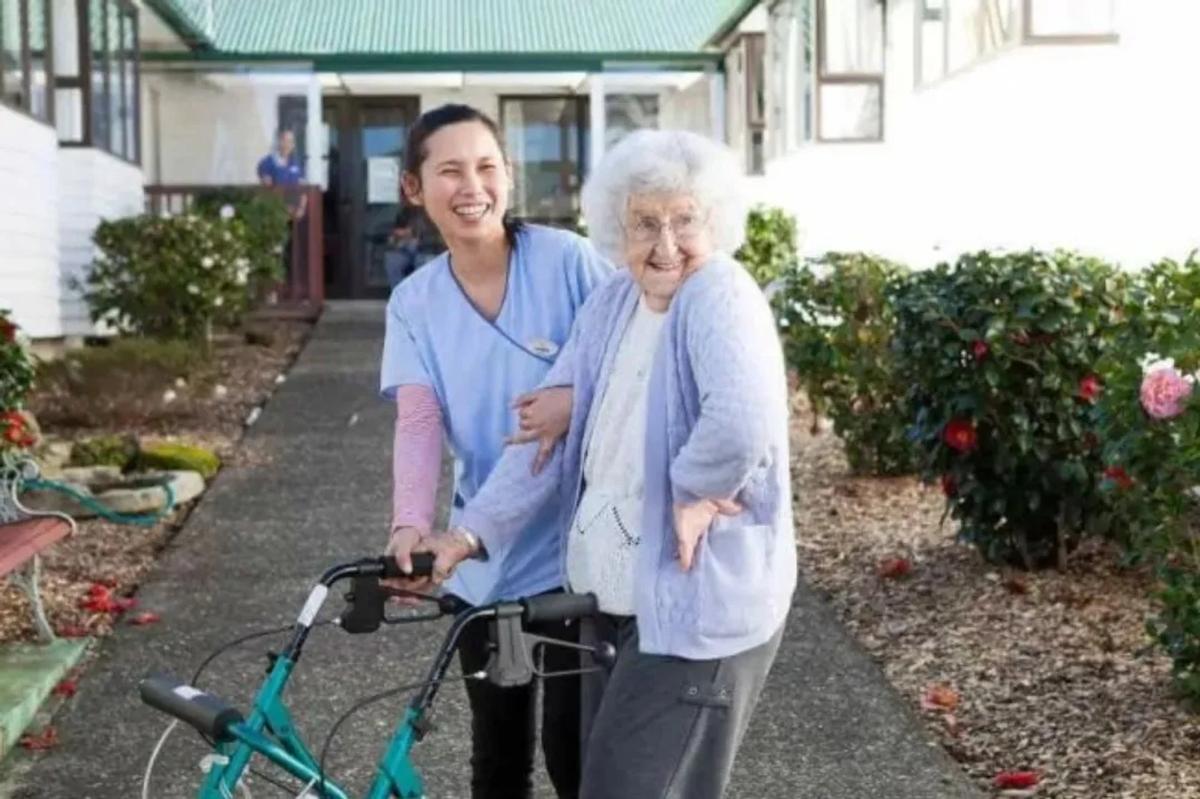
For those aspiring to enter the care worker industry, it is recommended to first clarify your career plan and personal preferences. If you seek a stable working environment with team collaboration, nursing homes may be more suitable. If you prefer flexible working hours and enjoy building deep friendships with elderly clients, home care is the better choice. Regardless of which work environment you choose, continuous learning and professional development are essential.