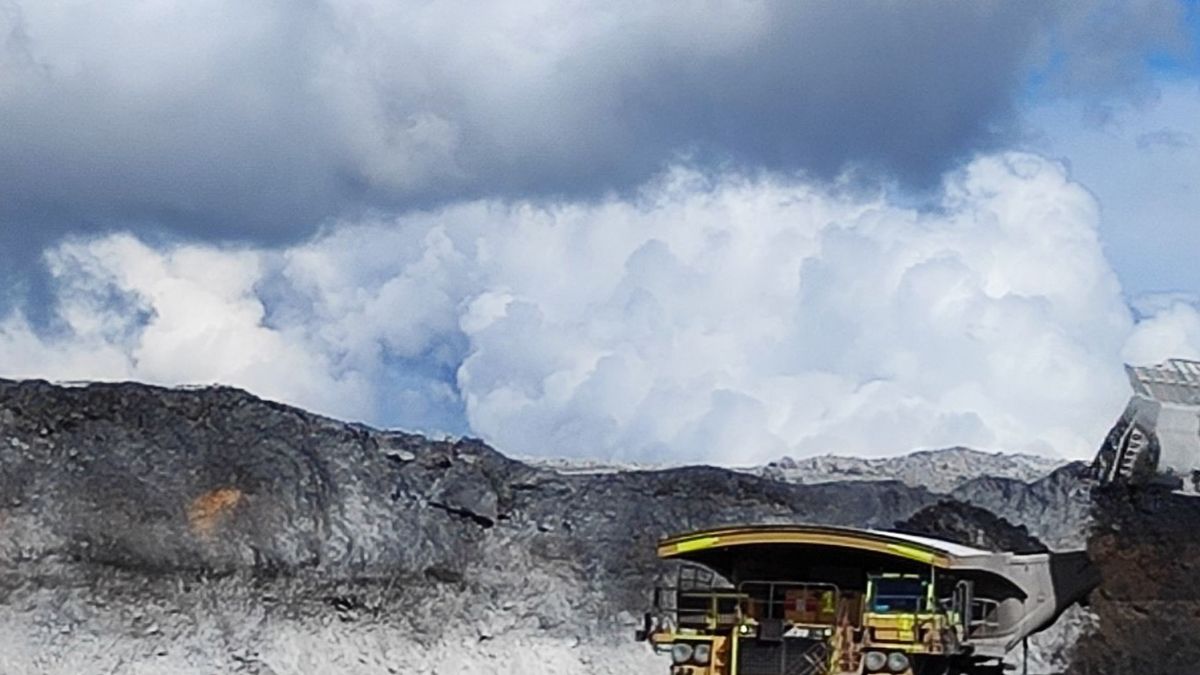
Western Australia's A$50 Billion Resources Pipeline: Which Skilled Trades Will Construction and Operations Need?
In Short
The Western Australian Government announced on 14 September 2026 that more than A$50 billion in mining, oil and gas, and supporting infrastructure projects are under construction or have received a positive final investment decision. Resources investment reached A$34 billion in 2025, its highest level in a decade.
The significance is not limited to the headline investment figure. Projects including Scarborough, Crux, Jansz-Io Compression, Western Ridge, Brockman Syncline 1, the Eneabba rare earths refinery and the Mt Holland expansion sit at different stages. Labour demand will therefore move from construction, installation and commissioning into maintenance, production support and long-term operations.
For offshore mechanics, electricians, welders, metal tradespeople and heavy-equipment workers, the useful question is not whether mining jobs are currently “high paying”. It is whether their skills fit construction-stage work or long-term operating roles, and whether Australian employers and visa decision-makers can clearly understand and verify that experience.
1. A A$50 Billion Pipeline Is Not One Recruitment Campaign
Resources projects require different people at different stages.
During construction, new mines, processing facilities, LNG projects and supporting infrastructure may require:
- structural steel, welding and metal fabrication;
- electrical installation, instrumentation and control systems;
- piping, mechanical installation and commissioning;
- civil construction, surveying and engineering technology;
- cranes, earthmoving and heavy-equipment operation;
- construction planning, safety, quality and project coordination.
As projects move into production and long-term operations, demand increasingly shifts towards:
- diesel engines and heavy-vehicle maintenance;
- mining machinery and mobile plant maintenance;
- hydraulic, electrical and diagnostic work;
- fitters, fitter-welders, turners and metal machinists;
- preventive maintenance, shutdowns and reliability;
- fleet, parts, logistics and production support.
Resources investment growth does not mean every occupation will appear at the same time. Construction experience and operational maintenance experience serve different employer needs and should not be presented through the same generic mining resume.
When assessing Western Australian technical roles, Noice first distinguishes whether a candidate is better suited to installation and project work, fleet maintenance, or long-term equipment reliability before matching the candidate with relevant genuine employer demand.
2. Why Is “Mechanical Experience” Still Too Broad?
Resources employers rarely assess candidates only by years of experience or a translated job title. They are more likely to ask:
- whether the candidate has worked on light vehicles, trucks, civil plant or mining equipment;
- which brands, machine types and systems they know;
- whether they can work with diesel, hydraulics, electrical systems or computer diagnostics;
- whether their experience covers servicing, planned maintenance, rebuilds or field breakdowns;
- whether they can diagnose faults independently and document repairs;
- whether they understand high-risk work, isolation and site safety;
- whether they can manage rosters, remote locations and site conditions.
Ten years maintaining large earthmoving equipment and diagnosing hydraulic or electrical faults is very different from ten years focused mainly on passenger-vehicle servicing.
Career materials therefore need to go beyond “responsible for vehicle repairs”. They should identify equipment profiles, servicing and rebuild scope, diagnostic tools, fault examples and the operating environment. After an initial occupation assessment, Noice helps candidates express genuine experience in an Australian-style resume and interview format while checking whether employment letters, contracts, salary records, social insurance or tax evidence, licences and project records remain consistent.
Mechanics, diesel fitters and heavy-vehicle workers can also read our detailed guide to Western Australian mechanic and heavy-vehicle employer sponsorship pathways for the differences between equipment experience, licensing and employer matching.
3. Which Technical Backgrounds Are Closely Connected to Resources Projects?
Heavy Equipment and Diesel Maintenance
This may include heavy vehicles, earthmoving equipment, loaders, civil machinery and related diesel, hydraulic and electrical systems. Employers need to know whether a candidate can maintain the equipment used in their operation, rather than relying on the broad label of motor mechanic.
Fitters, Fitter-Welders and Metal Machinists
These roles may support equipment installation, maintenance, repair, machining and shutdown work. Whether the position directly supports mineral, oil and gas, or coal production can also affect how it fits the resources-sector policy definition.
Electrical, Instrumentation and Automation
Large projects rely on electrical controls, process instrumentation, automation and equipment monitoring. Experience should identify the relevant systems, equipment, testing and fault-finding responsibilities.
Welding and Metal Fabrication
Construction, modification and shutdowns require structural steel, piping, equipment components and fabrication. Evidence should specify processes, materials, welding positions, quality standards and project environments.
Earthmoving Equipment and Site Support
Plant operation, fleets, materials and project transport are important supporting functions. However, a job located on a mine site does not automatically qualify for a skilled visa occupation or resources-sector processing priority. The actual position must be assessed.
4. Why Do MD121 and MD122 Matter for Resources Roles?
From 19 September 2026, MD121 and MD122 replaced MD119. Resources became a first-priority sector for skilled visa processing, with sector priority placed ahead of the ordinary onshore-offshore ordering.
MD121 primarily applies to the Subclass 482 Skills in Demand visa. MD122 covers visas including Subclasses 186, 189, 190, 491 and 494. Some offshore skilled workers who meet the definitions are therefore no longer automatically placed behind ordinary onshore applicants simply because they lodged offshore.
However, working at a mine site is not enough by itself.
Specified fitters, turners, fitter-welders and metal machinists, for example, need to work in positions directly supporting the exploration, extraction, production, closure, decommissioning or rehabilitation of minerals, oil and gas, or coal resources. Occupation, employer operations, actual duties and the production activity supported by the role need to align.
Processing priority may be helpful, but it does not replace occupation eligibility, nomination, salary, English, experience, skills assessment or licensing requirements.
5. How Should Offshore Workers Prepare for Genuine Employer Matching?
The first step is to build a clear skills profile. Candidates should list the brands, models, size, power systems and functions of equipment they have repaired, operated or installed rather than relying only on a translated title.
The second step is to prepare cases that show technical judgement: what failed, how the fault was investigated, which tools were used, how the issue was resolved, and whether the work took place in a workshop, construction site, mine, processing facility or transport fleet.
The third step is to assemble verifiable employment evidence. Employment letters, contracts, salary records, social insurance or tax records, training certificates, equipment records, project files and references should support one another.
The fourth step is to prepare English and Australian site requirements for the target role. English is used for interviews, safety briefings, fault reports, maintenance records and emergency communication. Some roles also involve Australian licensing, registration, White Card or site training.
Only after this preparation is it useful to move into Australian-style resumes, role screening and employer interviews. In Noice's matching process, we also assess whether the employer genuinely operates, whether the duties and salary are compliant, whether the candidate's experience can be evidenced, and whether the role may support a Subclass 482, 494, applicable DAMA or later Subclass 186 pathway. Once the employer and candidate confirm the role through a genuine interview, the Australian registered migration team can coordinate nomination and visa compliance.
6. A A$50 Billion Pipeline Does Not Mean A$50 Billion of “Sponsorship Positions”
A large investment pipeline provides a long-term market signal, but it does not mean:
- every project recruits directly offshore;
- every role meets skilled visa occupation rules;
- every contractor can sponsor;
- experience alone guarantees a 482, 494 or 186 visa;
- every mine-site role receives first-priority resources treatment.
A viable employer-sponsored case still requires a genuinely operating employer and real vacancy, aligned occupation and duties, compliant salary and conditions, verifiable experience, and nomination and visa evidence that support the same position.
The positive signal from Western Australia's project pipeline is that maintenance, electrical work, welding, metal trades, installation, shutdowns and site support will remain relevant across multiple project cycles. Individual opportunity still comes from matching real skills with a real vacancy, not from a generic mining salary story.
FAQ
Q1: Does the A$50 billion pipeline mean Western Australian mines are conducting one large recruitment campaign?
No. The projects are at different construction, investment decision, commissioning and operating stages. Contractors and operators recruit according to their own schedules.
Q2: Can an offshore mechanic apply directly for a Western Australian mining role?
It depends on equipment experience, English, employment evidence, occupation mapping and employer demand. Passenger-vehicle servicing cannot be assumed to equal heavy diesel, civil plant or mining-equipment maintenance.
Q3: Does every mine-site role receive MD121 or MD122 resources priority?
No. The actual duties must directly support the resources activities defined in the Directions and fall within the relevant occupation scope. Location alone is insufficient.
Q4: Does project investment mean an employer can automatically sponsor a worker?
No. Employer operations, the genuine position, salary, occupation, nomination requirements and the applicant's visa eligibility must all be assessed.
Q5: Should a candidate find a job first or prepare occupation evidence first?
It is usually more effective to confirm occupation direction, equipment and project experience, and evidence gaps before employer matching. This keeps the resume, interview, skills assessment and visa evidence aligned.
Conclusion
Western Australia's resources pipeline of more than A$50 billion is not simply a short-term recruitment headline. Its lasting value is the demand created across construction, commissioning and operations for technical capabilities that can be verified.
If you work in diesel maintenance, heavy vehicles, mobile plant, electrical trades, welding, metal fabrication or related heavy equipment roles, you can submit your resume, qualifications and basic information to Noice for a free initial assessment. The first step is to confirm occupation direction, evidence gaps and realistic employer-matching potential before deciding how far to proceed.
Official Sources
- Government of Western Australia: Resources pipeline points to strong future for WA jobs
- Department of Home Affairs: Skilled visa processing priorities
- Department of Home Affairs: Ministerial Direction 121
- Department of Home Affairs: Ministerial Direction 122
Sources checked on 20 September 2026. This article provides general industry and employment information and is not individual employment or migration advice. Project investment, recruitment plans, occupation rules and visa requirements may change. Check the latest official information and the rules applicable to the individual case.